

01 Oct Pontormo in Rome: A Renaissance Masterpiece at the Quirinal Stables


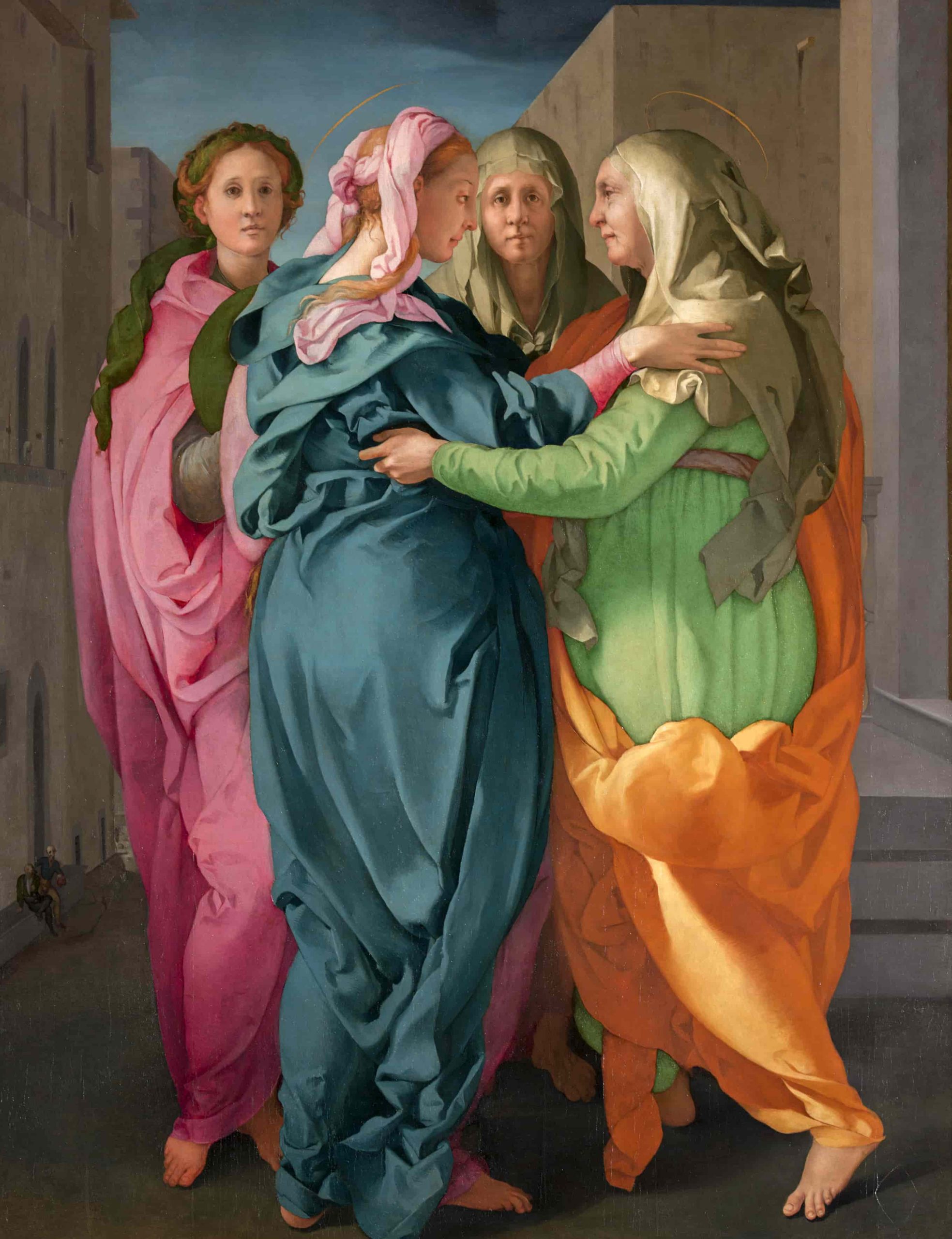
Pontormo (Jacopo da Pontormo) Visitazione, 1528-1532 olio su tavola, 202 × 156 cm Carmignano (Prato), pieve di San Michele Arcangelo Per gentile concessione della Diocesi di Pistoia Foto: Antonio Quattrone
From 9 October 2026 to 7 February 2027, Rome will host a major cultural event for art lovers: Pontormo, the first major monographic exhibition dedicated to Jacopo da Pontormo ever held outside Florence, hosted in the prestigious surroundings of the Scuderie del Quirinale.
This extraordinary exhibition offers a unique opportunity to discover one of the most original and fascinating artists of the 16th-century Florentine Renaissance. Known for his intense and distinctive style, Pontormo created paintings that challenged artistic conventions and continued to inspire generations of artists, even centuries later.
Curated by Cristina Acidini, together with Elena Capretti, Philippe Costamagna, Bruce Edelstein and Carlo Falciani, the exhibition is organised in collaboration with the Uffizi Galleries and produced with Electa. It brings together more than 130 works, including paintings, frescoes and drawings, on loan from some of the world’s most prestigious museums and private collections.
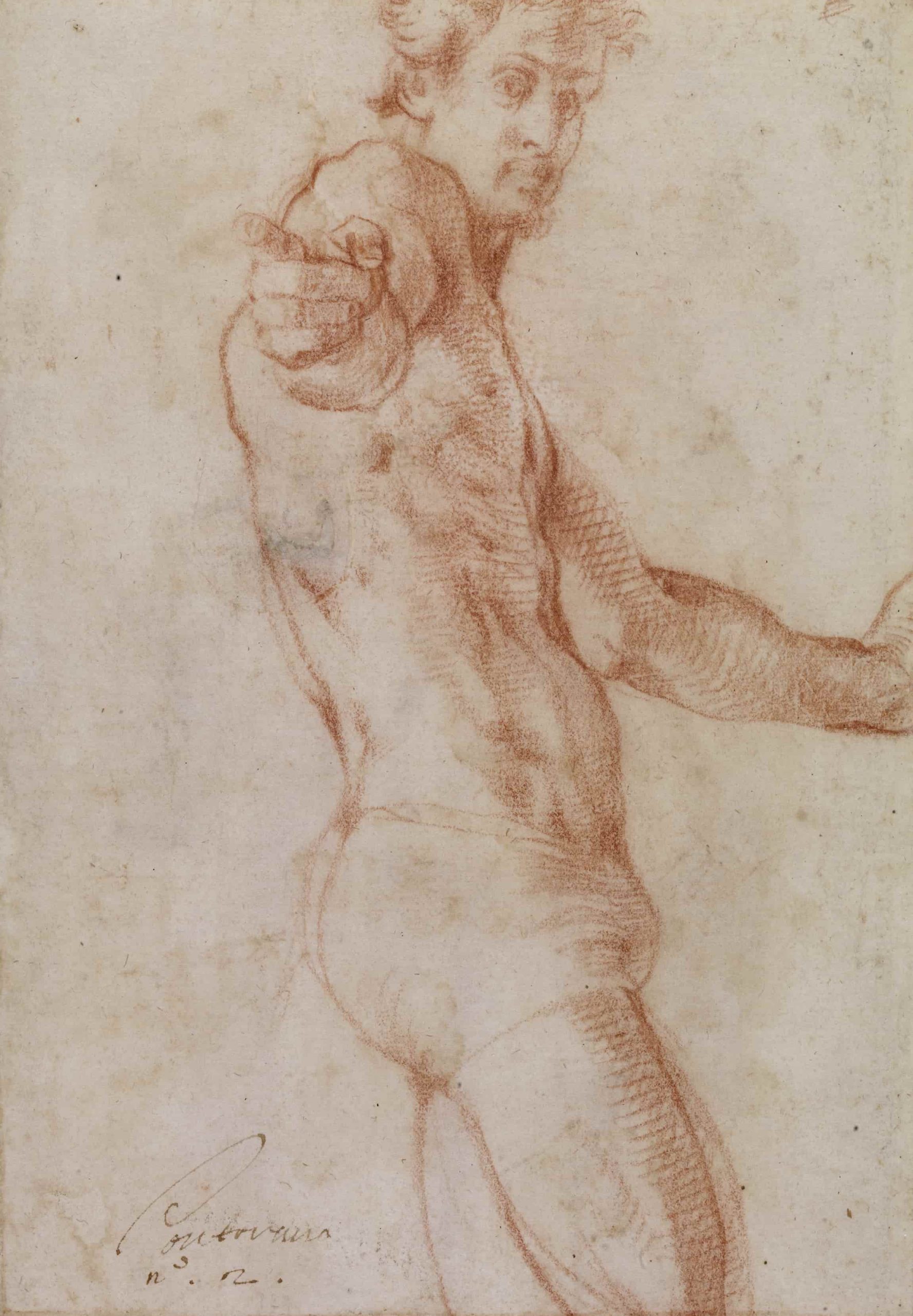
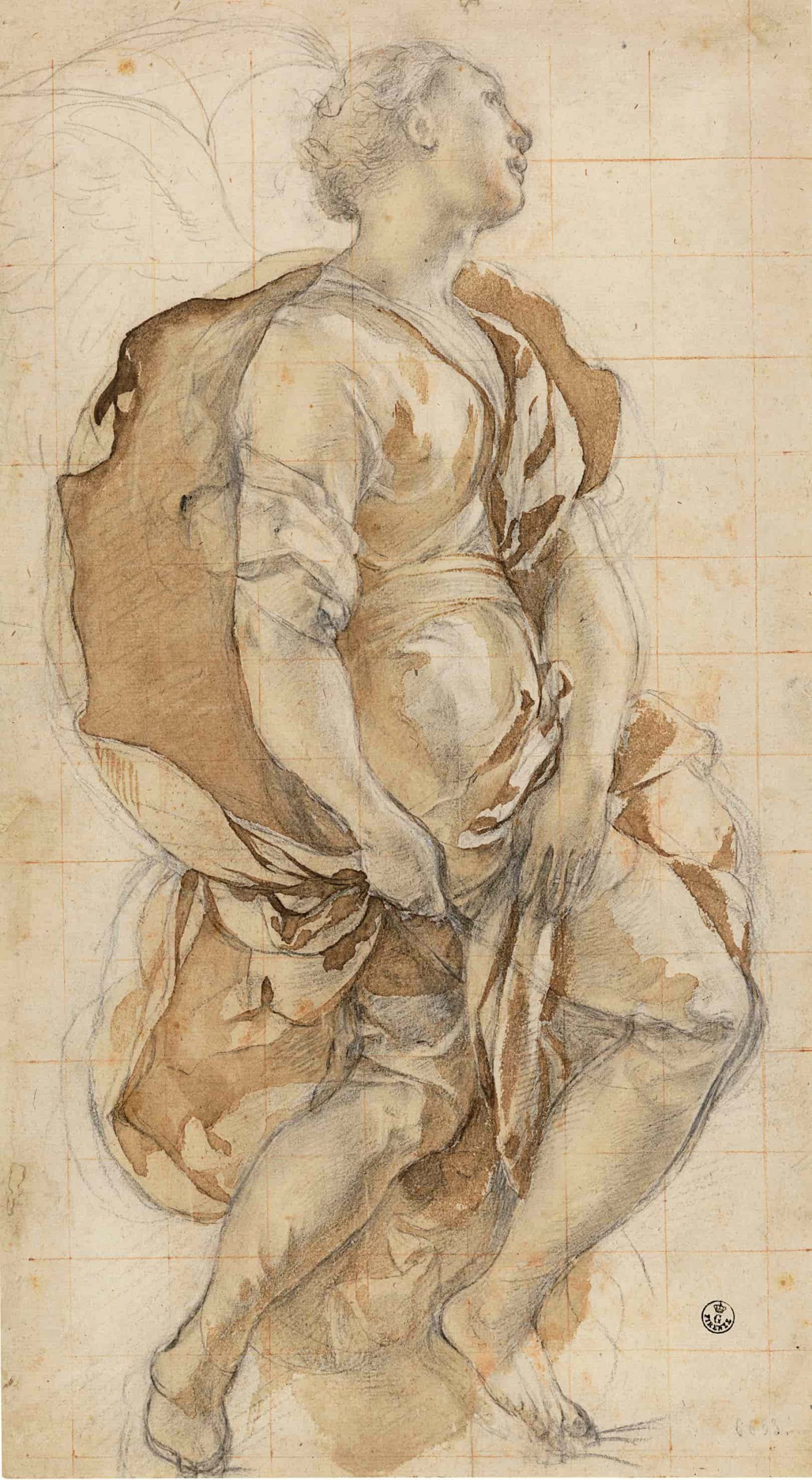
Pontormo (Jacopo da Pontormo) Angelo annunciante (per la cappella Capponi), 1527 circa pietra nera, pietra rossa, gessetto bianco, inchiostro diluito, quadrettatura a pietra rossa, tracce di stilo su carta ingiallita, 392 × 214 mm Firenze, Gallerie degli Uffizi, Gabinetto dei Disegni e delle Stampe Per gentile concessione del Ministero della Cultura / Gabinetto Fotografico delle Gallerie degli Uffizi, Firenze
Discovering Pontormo’s Masterpieces
Arranged across ten sections, the exhibition follows the artist’s life and career, from his early beginnings in Renaissance Florence to the great commissions for the Medici family and religious institutions. It also explores his remarkable drawings and his achievements as a portrait painter.
Among the highlights are the Pietà from the Capponi Chapel in Florence, the evocative frescoes depicting the Passion of Christ from the Charterhouse of Galluzzo, the celebrated Supper at Emmaus and the famous Visitation from Carmignano, which brings the exhibition to a spectacular conclusion.
Visitors will also have the opportunity to see the Libro mio, Pontormo’s handwritten diary, offering a fascinating insight into the artist’s personal life and creative world.
The exhibition also explores Pontormo’s relationship with other great masters of his time, including Bronzino and Michelangelo, helping visitors understand the originality of his artistic language and his lasting contribution to the history of art.
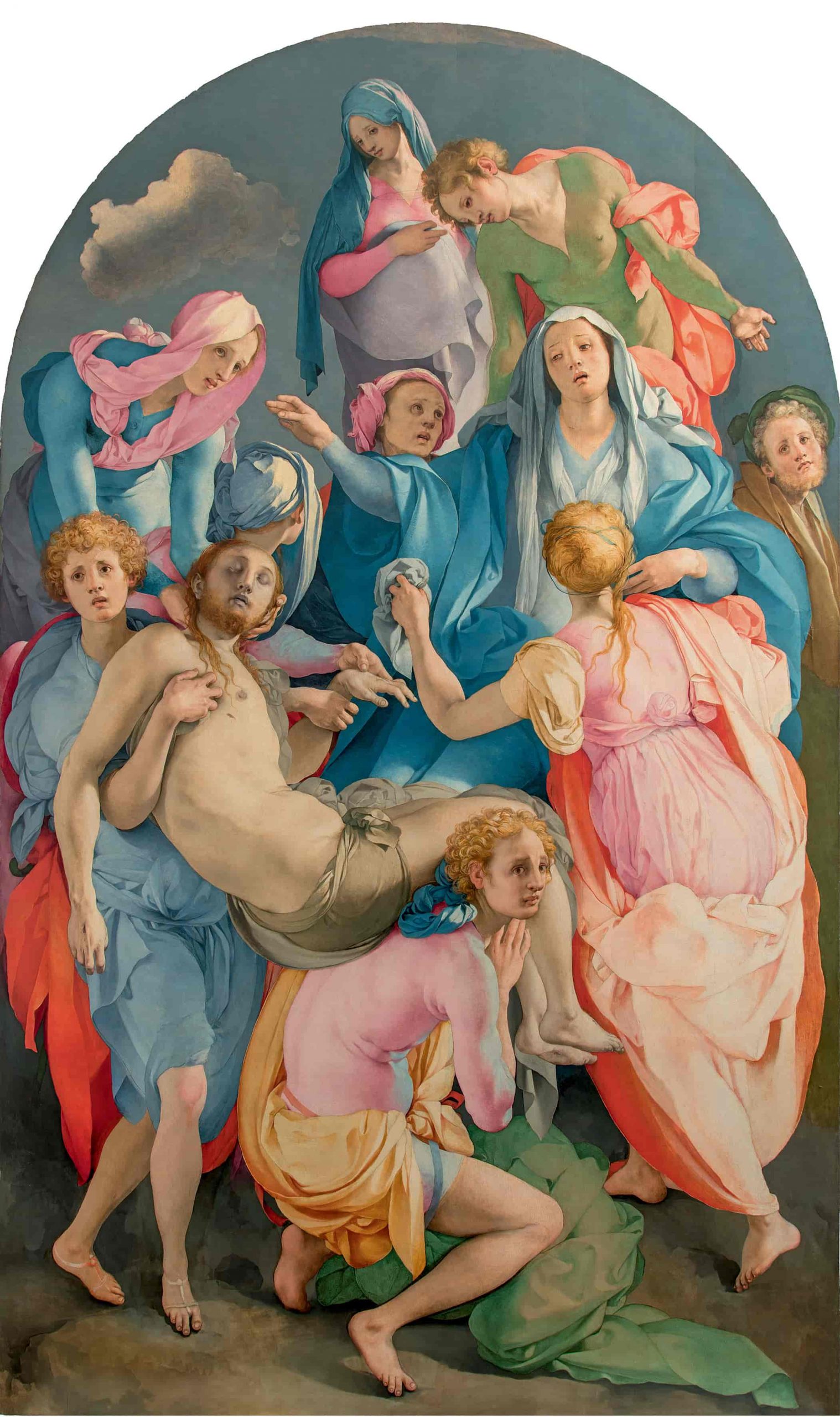
Pontormo (Jacopo da Pontormo) Pala Capponi: Pietà (Trasporto di Cristo), 1525-1528 circa olio su tavola, 313 × 192 cm Firenze, chiesa di Santa Felicita, cappella Capponi Per gentile concessione dell’Arcidiocesi di Firenze
From Pontormo to Bill Viola: A Dialogue Between Renaissance and Contemporary Art
The exhibition experience is enriched by another remarkable cultural event. From 11 October 2026 to 6 February 2027, visitors will be able to admire The Greeting, one of Bill Viola’s most celebrated video installations, at the Basilica of Santa Maria Antiqua, within the Colosseum Archaeological Park.
Inspired by Pontormo’s Visitation, this contemporary artwork creates a fascinating dialogue between Renaissance painting and modern visual art, demonstrating how the great masters of the past continue to inspire today’s artists.
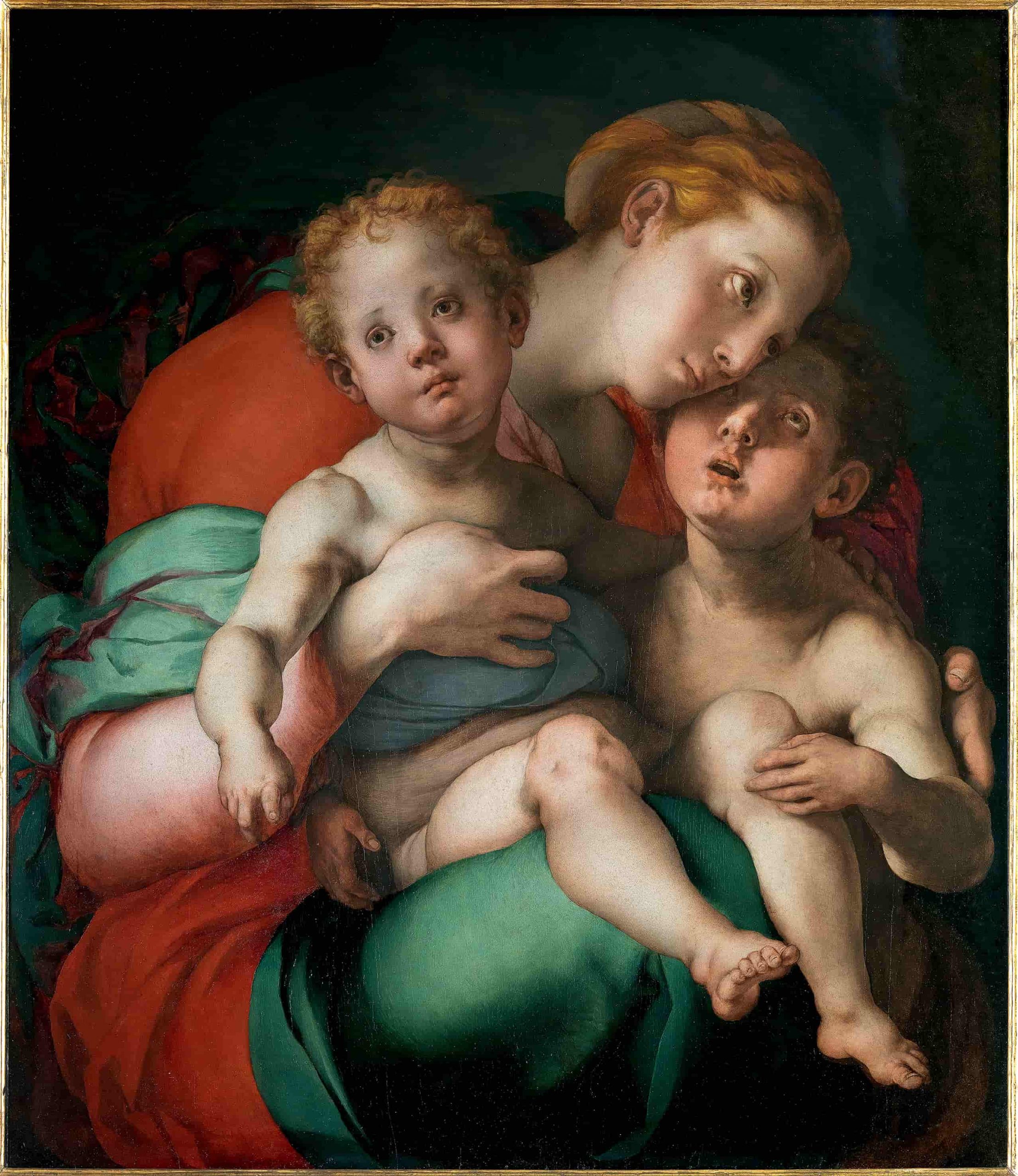
Pontormo (Jacopo da Pontormo) Madonna col bambino e san Giovannino, 1529-1530 ca. olio su tavola, 89 × 74 cm Firenze, Gallerie degli Uffizi Per gentile concessione del Ministero della Cultura / Gabinetto Fotografico delle Gallerie degli Uffizi, Firenze
Rome: A Cultural Escape Surrounded by Art and Beauty
The Pontormo exhibition is an ideal opportunity to plan a stay in Rome and discover the Italian capital through its extraordinary museums, monuments and artistic heritage.
From the Quirinal Palace to the historic city centre and the Colosseum Archaeological Park, Rome offers countless opportunities to combine cultural visits, leisurely walks and moments of relaxation.
Hotel Columbia, located in the heart of Rome and just a short walk from the Scuderie del Quirinale, is an ideal starting point for enjoying this exceptional exhibition and exploring the city.
Staying with us means treating yourself to a few days in the Eternal City, surrounded by its history, beauty and vibrant cultural life.
We look forward to welcoming you to Hotel Columbia for a Roman stay filled with art, culture and beauty.
Because Rome is an open-air museum, and every visit offers a new discovery.
SCUDERIE DEL QUIRINALE
 15 min (1,2 km)
Via Ventiquattro Maggio, 16
Ph +39 06 39967500
PONTORMO
From October 9th to February 7th
Pontormo (Jacopo da Pontormo) Madonna col bambino e san Giovannino, 1529-1530 ca. olio su tavola, 89 × 74 cm Firenze, Gallerie degli Uffizi Per gentile concessione del Ministero della Cultura / Gabinetto Fotografico delle Gallerie degli Uffizi, Firenze