


08 Jul Vicus Caprarius. The City of Water.


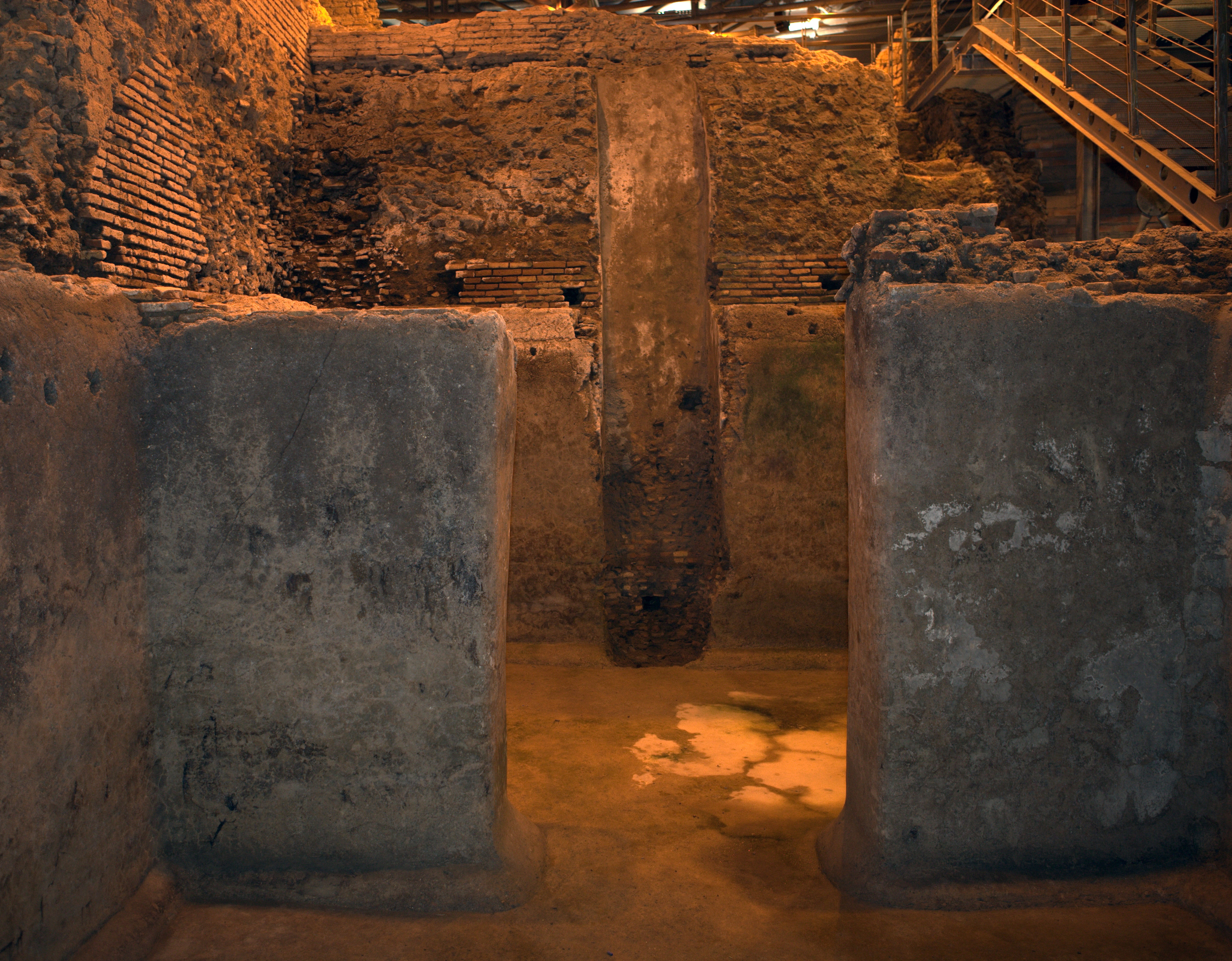
The Castellum Aquae of Aqua Virgo aqueduct | vicuscaprarius.com
In 1999, just a few metres from the Trevi Fountain, construction work for a new cinema screen provided the opportunity for a successful archaeological excavation.
Water is undoubtedly the element that most characterizes the Vicus Caprarius. The name “City of Water”, commonly used to describe the site, refers precisely to its presence: water rises from underground and seeps through the ancient brickwork walls, while also revealing the function of some of the structures uncovered during the excavations. After AD 123, part of the building was converted into a large water reservoir, with an estimated capacity of approximately 150,000 litres, probably used as a distribution tank for the Aqua Virgo aqueduct.
The three sections of the Antiquarium display artefacts discovered during the excavations, including the famous head of Alexander Helios. These finds complement the visit and help visitors understand the archaeological structures. Through the study of the artefacts, archaeologists have been able to reconstruct the continuous use of the site, from Roman times to the present day, as well as the transformations that took place over the centuries. On this journey back through time, visitors can explore Rome’s millennia-old layers of history and observe the archaeological evidence of the major events that have shaped the city.
The excavations, covering an area of approximately 350 square metres and reaching a maximum depth of 9 metres, brought to light an Imperial-era building complex, providing important evidence of the ancient urban fabric of Rome.
The remains belong to an insula, a residential block built as a single complex but divided into two independent buildings. Originally designed for high-density residential use, the complex was subsequently transformed, around the middle of the 4th century, into a luxurious aristocratic residence, or domus.
As part of Augustus’ administrative division of Rome into fourteen regions, the area of the Vicus Caprarius belonged to the VII Regio, Via Lata. More specifically, the buildings uncovered stood along the urban section of the ancient Via Salaria Vetus which, in the area corresponding to today’s Via di San Vincenzo and Via dei Lucchesi, was known as the Vicus Caprarius. The name probably referred to the presence of an aedicula Capraria, a small shrine dedicated to Juno Caprotina.
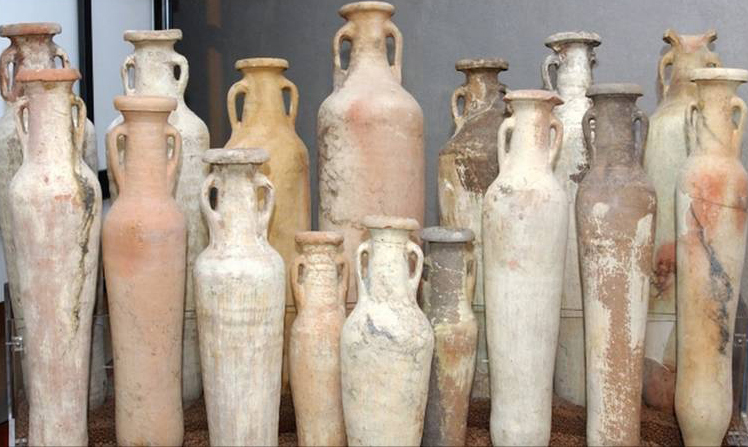
African Spatheia – small, medium amphorae | vicuscaprarius.com
UNDERGROUND ARCHAELOGICAL AREA OF VICUS CAPRARIUS
 18 min (1,4 km)
Vicolo del Puttarello, 25
+39 3397786192
archeodomani@gmail.com
from Tuesday to Sunday from 11:00 to 17:30
Monday closed
official website
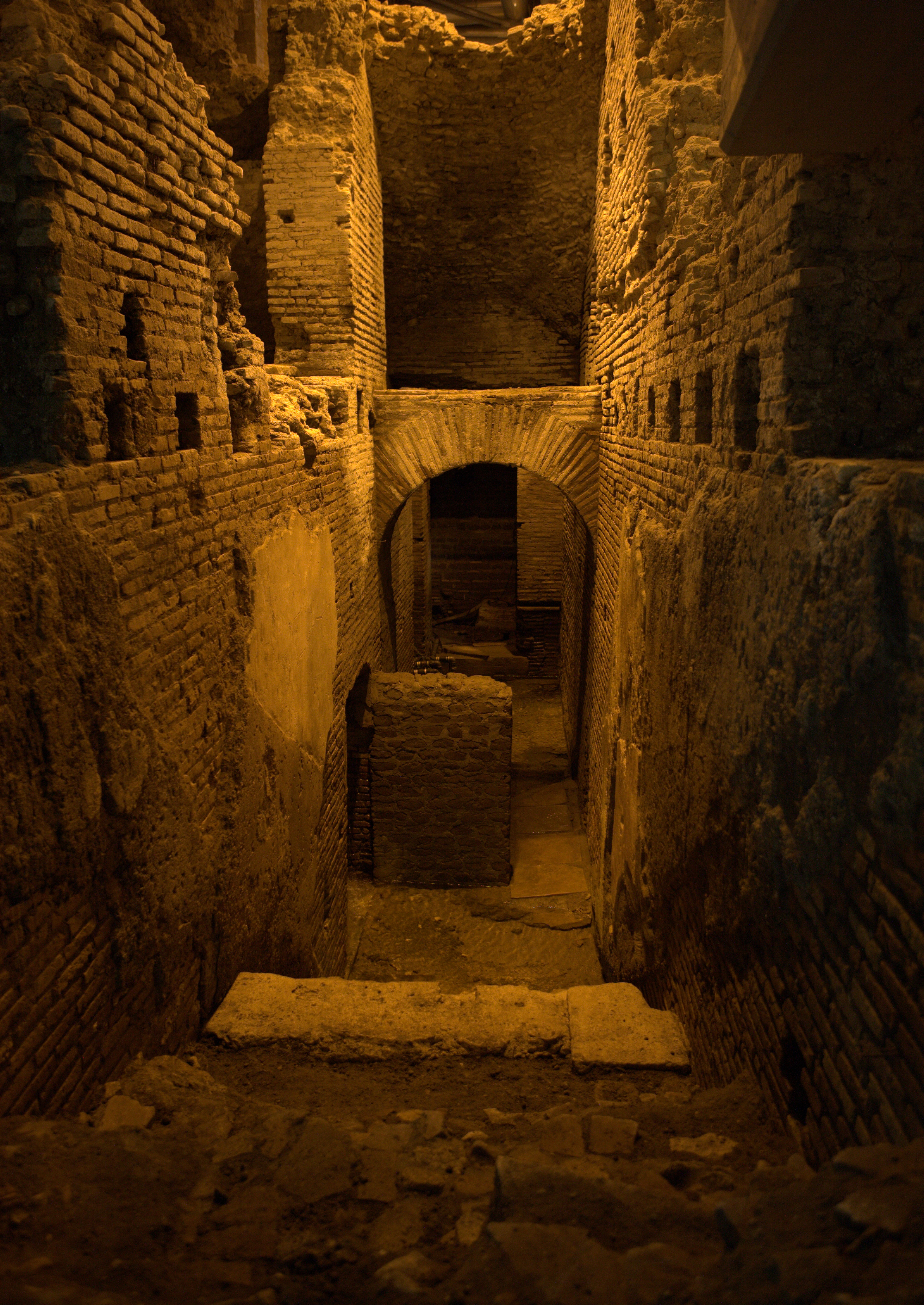
The Cavaedium of the Domus | vicuscaprarius.com
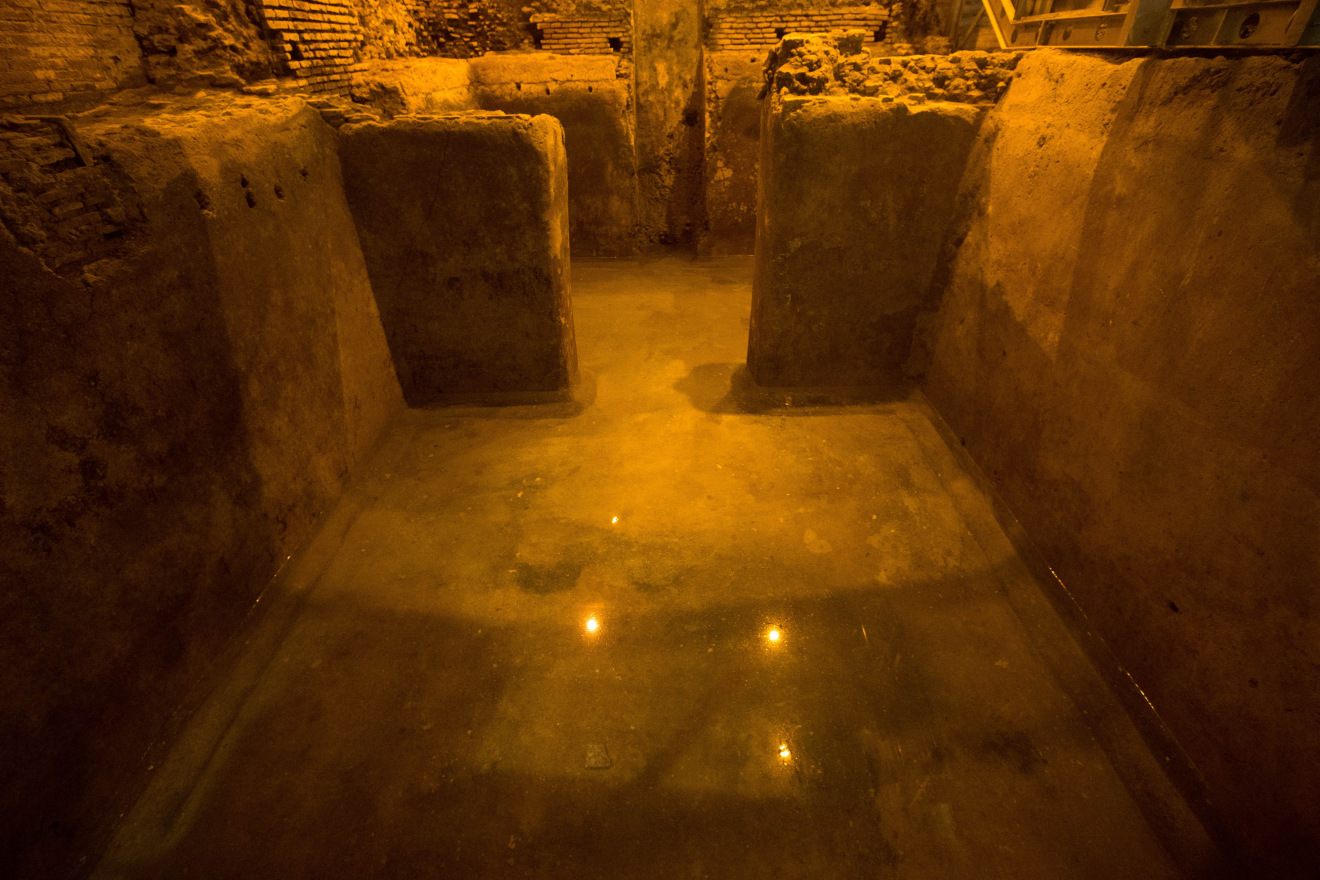
The Castellum Aquae of Aqua Virgo aqueduct | vicuscaprarius.com – photo by Andrea Manuti